How to Plant a Vegetable Garden?

So, you’re wondering how to plant a vegetable garden? This procedure can be among the most rewarding aspects of growing your own backyard. Of course, it takes some time and patience, but you will definitely be proud of these outcomes should you harvest that harvest within a month! Below are some tips for novices, as well as for thosepeople who have recently made a decision to think about gardening as an activity.
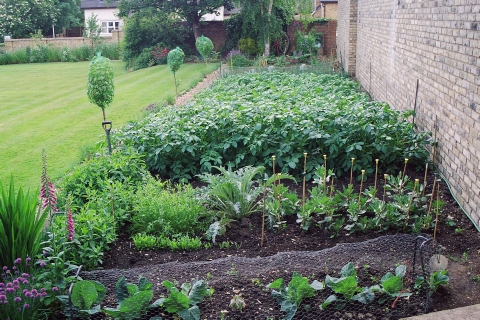
How to Plant a Vegetable Garden

First, you will have to figure out which type of structure you would like your backyard to be. A raised bed is a good idea for vegetable gardens that don’t have plenty of space or are located in a limited amount of space (for instance, a balcony). However, if you’re looking for a more natural look, try a lattice fencing.

Next, you will have to buy some soil and fertilizer, learn more about hydro nutrients. Along with being a great way to get started, you will need these substances to help your plants grow. You can either buy a compost made particularly for plants (sometimes sold in garden stores), or you can create your own. There are many different fertilizers on the market, so make certain to research which ones will be best for your particular veggies you anticipate planting. Additionally, read the ingredients on the bags of compost to ensure you’re using one that does not have any harmful chemicals.

Next, you will need to prepare the soil. So, consult a garden store employee or a friend who has a garden experience to assist you discover the appropriate mixture of substances for your own soil. You can either use bags of soil or spread it on a small area that’s big enough to hold a number of plants. Ensure your backyard is in a bright place, but also check the localweather conditions. When it’s hot, wait till the afternoon to water your plants. When it’s chilly, then water the backyard as soon as you put the dirt on it.

If it comes to the actual vegetables, you would like to plant them into loose soil. That is because you don’t need any origins to get snagged and trigger ailments to your plants. In reality, it’s better if you plant your seedlings in containers instead of at the ground, since containers provide greater air circulation than the soil.

If you’ve got a greenhouse, you can use plastic to form your backyard. However, if you’re unable to try it, the best thing that you can do is to simply buy potting soil and spread it to the dirt as soon as you’re all set to begin. It does not require much effort on your part, and it will help your plants grow healthier.

If it comes to the plants , there are a number of things you need to look closely at. To start with, be sure they’re planted with their back towards you. You don’t need plants bending down to get a better view, since their roots will end up in their feet and clog them. Also, be mindful about over-watering them,because they’ll require some water but not too much!

As soon as you know the answers to these, you should be ready to find the plants that will grow the best in your backyard, . If you’ve got the space, you can purchase bigger pots and spread them out more, and this will make the plants healthier. As soon as you get into the practice of caring for your plants, you won’t need to ask yourself, “How to plant a vegetable garden?” !

One other important factor to think about is the quality of the soil the plants are growing in. The soil is what will determine how healthy your plants will be. If the soil is sterile or full of debris, the plants won’t grow properly, and pesticides as well as other products may not work also. So try to improve the soil as much as you can!

Your vegetable garden design may also be an issue that has to be solved. If you’ve got a great deal of land, then you may need to use a greenhouse. Greenhouses permit you to control the amount of sunlight your plants also keep insects out. This is particularly beneficial for veggies that you don’t want to get eaten by bugs before they reach your edible parts! You can even grow vegetables year round in a greenhouse, so if the weather turns bad one season, you will still have some new veggies to choose from!

Once your garden is set up, don’t be afraid to rearrange it to suit your needs. It is a fantastic way to pass thetime and enjoy the fruits that you’re growing! Try out landscaping, turning it into an outside area, or turning it into a play area for the children, SlotSicure opinioni. Be creative and you will have the ability to grow the best plants and vegetables!

Related Post

How to Make Good Looking BannersHow to Make Good Looking Banners

Creating a visually stunning banner requires more than just the right layout. It must be engaging. The banner should tell your customer what they can expect to get from your product or service. Include important details, such as contact information and social handles. Here are some ideas to help you create a memorable banner:

How do you make good looking banners

Choose a font that matches the personality of your company. For a business-focused banner, you may want to use a more classic or modern font, while a creative business might opt for a fun, bold font. Guide to use step and repeat banner. If you want to mimic neon lighting, choose a bold font for the header. You can even try out different color schemes or text effects. Make your banners as eye-catching as possible by incorporating these tips.

What colors are best match for branding?

Use colors that match your brand. Bright colors may not go with your brand’s style, while pastel shades may not. When selecting colors, remember that each color has a different association with each person. Select colors that will evoke the emotions you want to convey to your audience. The colors of your banners are the first things that viewers notice. You don’t want to leave them wondering what they should think about your business or service.

A good-looking banner design has several key components. The first is eye-catching, high-quality images. Low-quality images may look grainy or blurry on the finished product. Also, a computer screen will not give you a good idea of the size of your banner. Make sure to use high-quality images or vectors, as these will retain their quality when enlarged. You can also use a graphic logo to tie everything together.

How do I choose a font for my business?

The second step is to choose a font that best represents your business or product. A good-looking banner will stand out among your competitors. A simple font can be an excellent choice if your banner needs to be visually appealing. Choose a font that conveys your message and will look great on any platform. Choose your fonts carefully, as colors and images affect the image’s content. Then, use text blocks over the images to make the content even more interesting.

Your design and logos should be easy to read. Make sure you leave a margin of two or three inches around the logos. You should also make sure you leave enough space around each logo to make them stand out. The most important factor in banner design is to create a layout that is easy on the eye. For example, tiled designs with small logos in between each other are both effective. You can also choose to place your logos diagonally across the banner.

How do I hire a graphic designer?

You can hire a professional designer to create your banner if you have limited resources. A professional designer can help you come up with an appealing design that will appeal to your target audience. It is important to consider the audience you are targeting when choosing the theme and images. Once you’ve chosen your design, the designer will use images that are suitable for your business. Remember that banners should link to your target page.

For photo booths, 8×5 foot banners are usually best. Banners that are larger than these will be difficult to see, and will likely cause photo snafus. Regardless of the size, make sure the logos and images are clear and crisp. If they’re not, they’ll be pixelated and will make your banner look messy. If you’re planning to use your banners for a large event, keep these tips in mind.

What is the material used for making banner?

When choosing the material for your banners, choose the materials that are durable. Check this vertical banners designs. Choose fabric or vinyl. Both types of materials are made from polymers and esters. If you’re looking for a banner for outdoor use, choose white matte vinyl. Canvas, on the other hand, is durable and weather resistant. Choose materials that will last. If you’re worried about glare, use fabric and make sure you have enough white space around your logo to reduce the amount of glare that will be reflected by the ink.

When designing a YouTube banner, consider using images that are related to the channel icon. Use a variety of layouts and collages, but keep the theme consistent. Choose colors and fonts that grab the viewer’s attention. Bright colors or a bold font on a dark background are effective for this. Make sure to include the name of your community or channel in your banner. You can also include social media updates or announcements.

How Do You Make a Banner Step by Step?

You might be wondering: how do you make a banner. If you want to promote your website, products or services, or business, a banner can be a great way to reach out to your target audience. To make the most of a banner, use clear and short messages that are easy to understand. Avoid using meaningless words. Below are some tips to make your banner appealing to customers. Follow the steps carefully and you’ll soon have a banner that works for you.

How do you make a banner step by step

Using PowerPoint, add images or photos. Add text, as well. Make sure to adjust the aspect ratio for a more readable banner. Choose an appropriate background color and add text. The “Color 1” button represents the current background color. Once you’ve added text, adjust the size of the banner as needed. Once you’ve made your banner, you can export it to other places.

How to edit custom banner in photoshop

The final step is to save your image in the right format. JPG is the best format for advertising, while PSD will preserve all layers and objects. PSD will allow you to make changes to your banner without having to start from scratch. So, if you’re wondering: How do you make a banner step by step?, this article is for you. If you don’t have Photoshop, don’t worry. You can still make your banner using Photoshop.

In Photoshop, you can change the background color of the banner. PNG files, which are transparent, show up as a checkered background. Once you’ve done this, click on Window > Arrange> Tile All Vertically. This will allow you to arrange the image and the banner template side by side. Once you’ve done that, you’re ready to export your banner! The next step is to insert a product image.

What are the steps you did in creating this banner?

Before you begin designing your banner, make sure to decide on the software and file type you’re going to use. For a step-and-repeat banner, you’ll probably want to use Adobe Illustrator because it offers easy-to-use tools for alignment and scaling. Guide to Large format printings. Another important consideration is whether or not you’re making your banner in a vector format. Vectors, in contrast, are made up of mathematical points, curves and paths. Because of their unique nature, they can be scaled to any size, and their clarity will remain.

Creating a banner is not as difficult as it may seem. You can use a free design software like PicMonkey to make a banner and edit it to suit your needs. With PicMonkey, you can choose from professionally designed banner templates or a blank canvas and customize it to fit your specific needs. You can even upload your own photo or design. But make sure your banner is readable.

What size should a logo be on a step and repeat banner?

Size of the logo is another important consideration for a step-and-repeat banner. You want your logo to be large enough to be readable in photos, but not so large that it’s impossible to read in the photo. A good rule of thumb is to keep your logo sizes at about 9 inches wide and 11 inches tall. Anything smaller than this will not be legible to your audience.

The size of your banner depends on a number of factors. Obviously, you want the banner to fit into the event space. However, you might not want to be able to place the banner where it would be seen by a large number of people. You might even want to use a larger size for a small gathering of a few friends and family. So, when it comes to size, you’ll want to keep the text as brief as possible.

If you’d like to create a banner with an unlimited amount of space, try to use a design app that can do the job for you. These applications can be purchased for about $19 per month. The main advantage of these apps is the ability to generate many banners at once. You can also collaborate with your team members in creating a banner by sharing your design. Then, you can use a single app to manage your project.

Shipping containers for saleShipping containers for sale

The market of shipping containers for sale has seen a rapid growth in recent years, creating many opportunities for buyers. This buyer’s guide is designed to help individuals explore and understand the diverse range of options available when it comes to selecting and purchasing a shipping container from Giant Lock Box. It will provide an overview of the features and benefits of different types of containers, as well as tips on how to find the best deal. With this information, buyers can make informed decisions about their purchase and feel confident that they have made a good investment.

Shipping containers are becoming increasingly popular due to their versatility and convenience. They can be used for a variety of purposes, including storage, housing, or even an office space. They come in various sizes, materials and designs to suit individual needs. With so many options available, it is important that buyers understand what they should look for when shopping for a container to ensure they get the right one for their needs.

This buyer’s guide provides an in-depth look at all aspects of buying shipping containers with useful advice on how to find the perfect container at a great price. From understanding the different types of containers available, to learning how to compare prices and negotiate a good deal – this guide has everything needed to equip buyers with knowledge on making an informed decision about their purchase.

Introduction

Shipping containers have become increasingly popular in recent years as a viable and cost-effective solution for people looking to buy inexpensive storage space. With the rise of e-commerce, online shopping, and other global trends, the demand for shipping containers has grown exponentially. This buyer’s guide provides an overview of the market for shipping containers, including information on types, sizes, prices, and potential uses.

When considering which type of container to purchase, it is important to understand the differences between the various styles available. Shipping containers come in a variety of shapes and sizes; some are suitable for short-term storage needs while others can be used for longer-term solutions. Additionally, different types of materials may be used to construct the container depending on its intended purpose.

It is also important to consider pricing when shopping for a shipping container. Prices can vary greatly depending on size, material used in construction, and other factors such as delivery fees or customization options. It is important to research all available options before making a purchase decision in order to ensure you are getting the best possible value. With this knowledge in hand, buyers can make an informed decision that meets their specific needs and budget constraints.

The Different Types Of Shipping Containers

Shipping containers come in a variety of types and sizes and can be used for a variety of purposes. From storing goods to moving them, shipping containers are one of the most versatile tools available on the market. Understanding the different types of shipping containers and their uses is essential for any buyer looking to purchase one.

One type of shipping container is the dry van, which is often used to move and store items that need protection from weather conditions. These containers are made with corrugated steel, making them lightweight yet durable. They come in various sizes ranging from 20-foot to 40-foot lengths and feature secure locks and seals that protect items against theft or damage during transit. Dry vans may also feature an open top design, allowing for easy loading and unloading of goods.

The other type of container commonly seen on the market is the refrigerated container, or reefer. Reefers are designed with insulation to keep items that require temperature control safe during transport or storage. They typically have built-in cooling systems powered by either electric motors or diesel engines, as well as digital thermostats for precise monitoring of temperatures inside the container. Reefers also come in various sizes ranging from 20-foot to 45-foot lengths and may have multiple doors or openings for easy access to items within them.

These two types of shipping containers represent only two out of many options available on the market today; buyers should research all available options before deciding which type fits their needs best. Choosing the right size, shape, design, and features are paramount when selecting a shipping container since each will affect its overall performance and cost efficiency in different ways.

Factors To Consider When Buying A Shipping Container

When deciding to purchase a shipping container, there are many factors to consider. First, the size of the container is an important factor. Potential buyers should make sure that whatever size they choose will be able to accommodate all of their freight needs securely and safely. Second, the condition of the container should be taken into account. It is important to inspect the container for any signs of damage or wear before making a purchase. Additionally, checking for certifications from organizations such as Cargo Worthy can help ensure that the container is safe for transport and meets industry standards.

Finally, buyers should also consider their budget when purchasing a shipping container. This means understanding what type of container fits best within their budget, as prices can range significantly depending on the size and condition of the unit.

Additionally, potential buyers can also explore options such as renting or leasing a container if they do not have the funds available to purchase one outright. By taking these factors into consideration, individuals can have peace of mind knowing that they are investing in an appropriate and reliable shipping solution for their needs.

Why Compare Window Types?Why Compare Window Types?

As more people realize the benefits of vinyl replacement windows, we are now seeing a greater selection of vinyl window types. The most popular are the UPVC and the aluminium. Both have their advantages and disadvantages. For example, vinyl can be installed with ease, is easy to maintain and can be considered more energy efficient than other materials such as aluminium. The only real disadvantage of using vinyl is that it is now so popular that there is now a vast range of products produced using vinyl. The reason for this is because it is cheap to produce, durable and is widely available. There is a misconception that only the rich and famous install vinyl or even that it is a waste of money. This is simply not true. Aluminium is probably the best-known material for DIY project windows, but a PVC or aluminium window can also be purchased ready made and fitted for a great deal less than a comparable aluminium one.

Also check that the cut edges have been squared off to ensure they are straight and that the seams are accurately sewn. A little care will go a long way in ensuring that your installation is a success and that you have purchased a product that will last for years to come. Many suppliers offer a lifetime guarantee on their products as part of their standard contract. Another thing to bear in mind when comparing vinyl and aluminium is that both require a certain amount of cleaning. When dealing with aluminium you will need to use a primer before painting or treating it with any liquid as this will significantly reduce the chemical component of the finish. Similarly, a simple wipe with a damp cloth to remove dust will do the job. If you are using a vinyl window treatment, simply wiping it down with a clean cloth will remove the majority of dust and dirt. Another key factor when comparing aluminium and vinyl is that both are prone to flammability.

Vinyl is actually far more flammable than its aluminium counterpart and it is important to consider this when installing. If you are having work carried out on an air source heating system, vinyl may actually increase the risk of damage. Aluminium though is relatively less likely to ignite when exposed to fire. As with all types of installation, it is always best to seek professional advice before commencing. This ensures that you are choosing the best materials for your particular application and that your chosen company has the knowledge and expertise to deal with the task. Never undertake a DIY project without the necessary tools and equipment. As with all DIY projects, it is also important to take into account weather conditions and other factors which may affect the success of your window replacement. So whether you are looking to replace an entire window, a section or a single wall it is important to get all the facts from your chosen company so that your installation is a success.